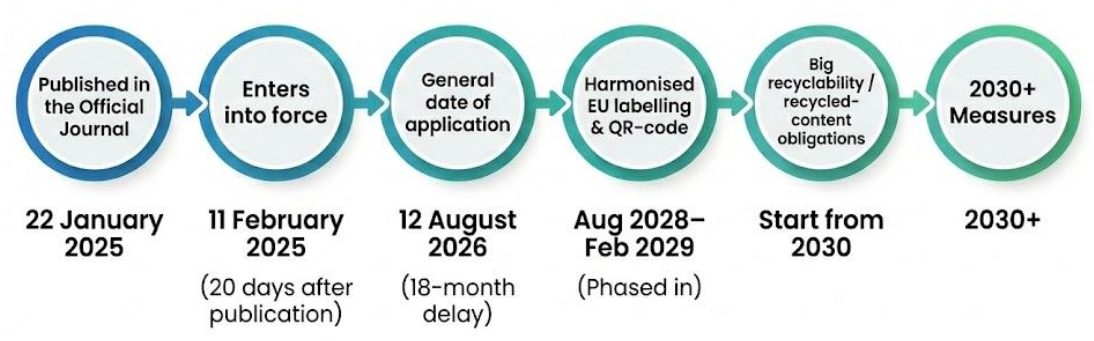
Effective 12 August 2026, EU PPWR (Regulation (EU) 2025/40) enters into full application. Unlike the former PPWD Directive, this directly‑applicable EU regulation sets uniform standards across all 27 Member States, with no national derogations.
I. Common PPWR Compliance Pitfalls for Wellness‑Focused Home Textiles: Which Materials Are Regarded as PPWR‑Controlled Packaging
A frequent misconception: PPWR applies only to outer shipping cartons. Per EU guidance, packaging is defined by function. Any material containing, protecting, transporting or presenting goods — excluding integral product components — falls under PPWR scope.
For wellness home‑textile items including pillows, cushions and eye masks, the following materials fall under PPWR regulation:
🔹 Vacuum & PE dust‑proof inner bags: Classified as primary sales packaging, often overlooked by exporters.
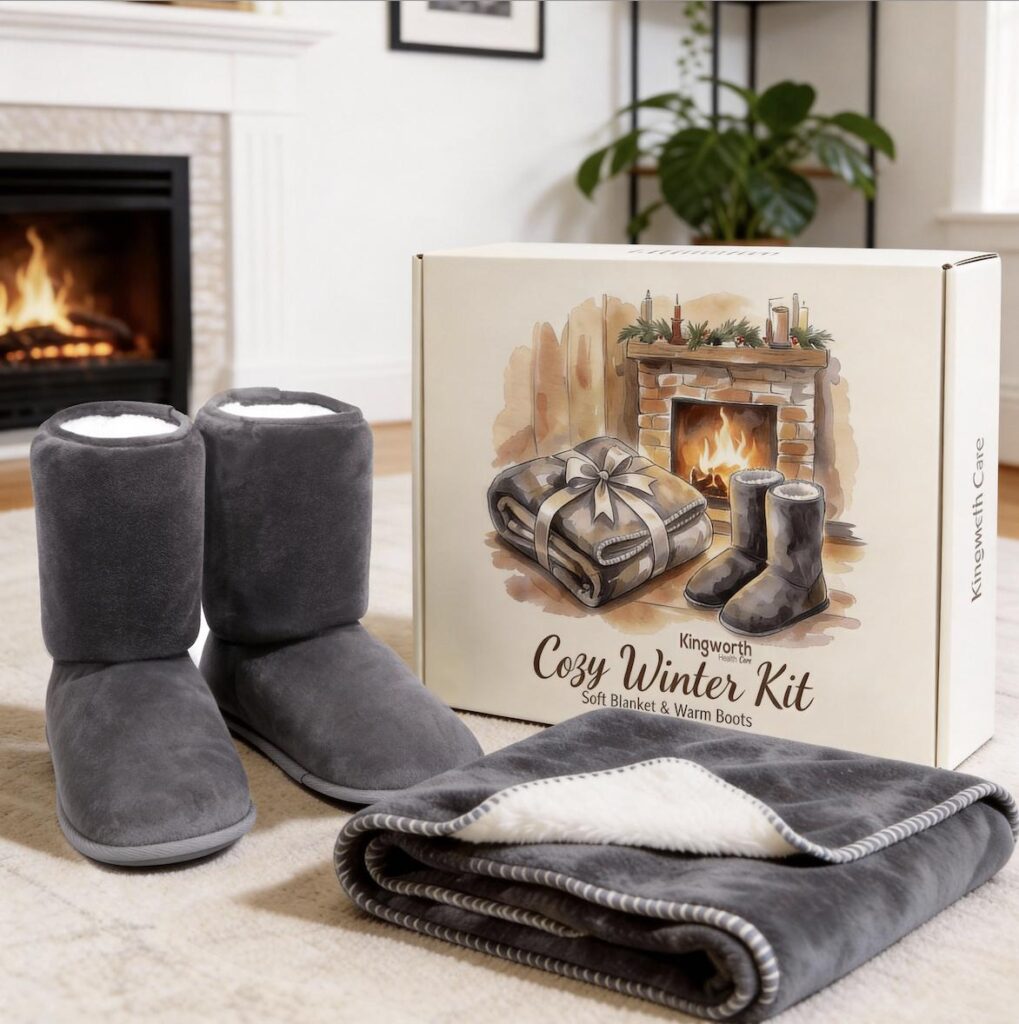
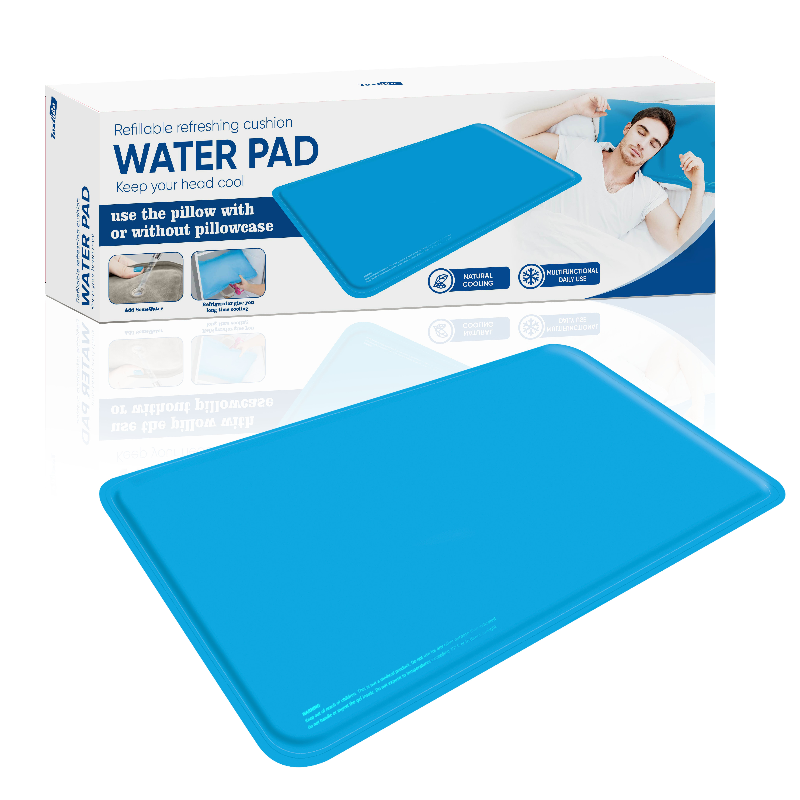
🔹 Retail colour boxes: Base materials, inks, laminations and adhesives require compliance assessment.
🔹 Protective cushioning: EPE foam, corner protectors and bubble bags count as packaging.
🔹 Hang tags & adhesive labels: Hang tags and box/carton stickers are in‑scope.
Note: Sewn‑on care labels are product components and exempt from PPWR packaging tests.
🔹 Logistics packaging: Outer cartons, tapes, stretch wrap, strapping and pallets must all comply with PPWR.
❗ Inventory Compliance Rules: Goods newly placed on the EU market on or after 12 August 2026 must fully comply with the new PPWR requirements.Stock already legally circulating within the EU prior to this date may continue to be sold. There is no transition period for newly‑shipped orders. All new shipments shall meet full compliance standards.
II. Mandatory Implementation in 2026 | Two Core Compliance Red Lines for Health-Care Home Textile Packaging
Red Line ① Four Heavy Metal Limit Standards (Universal for All Packaging, No Exemptions)
Packaging components must not exceed 100 mg/kg total for lead, cadmium, mercury and hexavalent chromium. This limit covers all homogeneous packaging materials: paper, plastics, cushioning, inks, adhesives and surface coatings.
For pillows and cushions, non‑visible packaging parts are the main source of non‑compliance. Outer cartons usually pass, yet heavy‑metal excess often appears in vacuum‑bag adhesives, colour‑box inks and EPE foam. These hidden risks are key targets for EU random inspections.
Red Line ② PFAS Regulation (Scenario-Based Compliance)
The PPWR enforces strict PFAS limits for food-contact packaging. Differentiated compliance rules apply to non-food-contact home textile products:
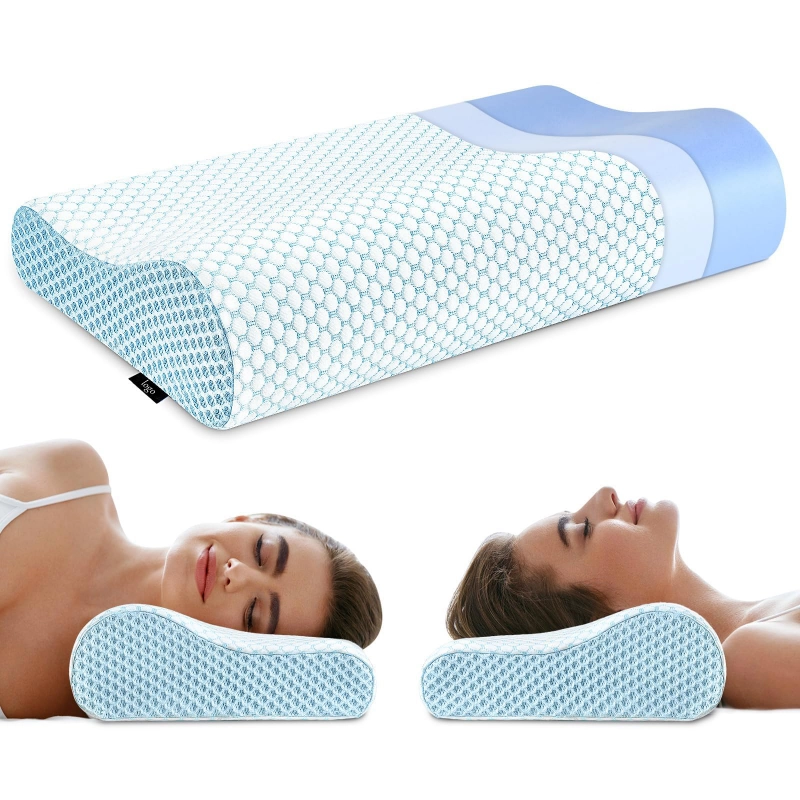
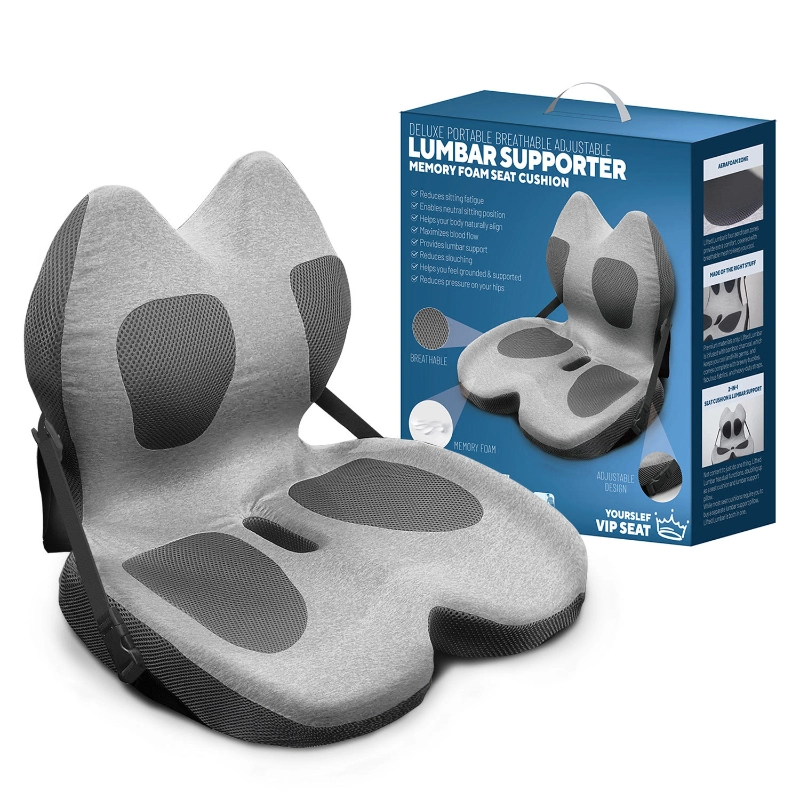
• Packaging for regular health-care home textiles, including pillows, seat cushions, and lumbar support cushions, is classified as non-food-contact packaging and is not subject to mandatory PFAS testing.
• For maternal and infant products with water-proof and oil-proof laminated packaging, pre-inspection for potential PFAS residue is strongly recommended to avoid compliance risks.
• If product sets are bundled with food gifts, the entire packaging set must fully comply with PFAS regulatory limits:
◦ Total PFAS (including polymeric PFAS) limit: 50ppm
◦ Single PFAS substance limit: 25ppb
◦ Sum of all individual PFAS substances limit: 250ppb
III. Clear Division of Responsibilities | Identification of Responsible Parties under PPWR
Many exporters mistakenly believe compliance lies with overseas customers who design/specify packaging. Under PPWR, packaging factories ≠ responsible party.
Rule: The entity placing packaged goods on the EU market under its own brand is the PPWR legal manufacturer and holds full compliance liability.
1.Private‑brand Exports
Domestic brand owner = legal manufacturer. Complete conformity assessment, Technical Documentation (TD) and PPWR‑specific DoC, bear full legal responsibility.
2.OEM Exports
Overseas brand holds manufacturer liability and issues DoC. Domestic factories shall retain packaging BOM, test reports & material certificates to avoid secondary risks.
3.White‑label Custom Exports
The ordering customer takes full PPWR compliance responsibility.
4.Liability by trade terms
- FOB: EU importer handles packaging EPR registration
- DDP / DTC from webstores / overseas warehouse sales: Chinese exporter is deemed producer; complete EPR registration and appoint an EU Authorised Representative.
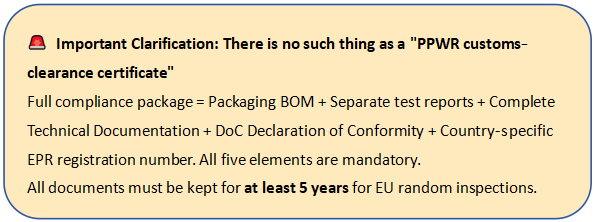
IV. 5‑Step Practical Checklist for PPWR Implementation for Wellness Home‑Textile Businesses
Step 1: Compile packaging BOM and identify hidden packaging materials
Step 2: Request compliance supporting documents from your suppliers
Step 3: Conduct lab testing for heavy metals, PFAS and other required parameters
Step 4: Confirm EPR registration and DoC Declaration of Conformity based on your trade terms
Step 5: Compile and archive the full compliance technical file
V. Mid‑Long‑Term Compliance Milestones (2028‑2030): Plan Ahead to Avoid Redesign Risks
Aug 12, 2026 is just PPWR’s baseline compliance start. Strict new rules will roll out 2028‑2030. Optimise packaging early to avoid costly revisions.
🔹 Aug 2028: Mandatory EU‑harmonised packaging labels
Export packaging needs unified EU marks for material type, recycling details and EPR number. Pre‑adjust colour boxes & outer cartons for label placement.
🔹 Jan 2030: Three key mandatory rules take full effect
(1) Recyclability grading Packaging must hit A/B/C recyclability grades. Below 70% recyclability (under Grade C) is banned for EU sales. For pillows/cushions, avoid complex multi‑layer structures; use simple single‑material PE vacuum bags.
(2) Mandatory post‑consumer recycled content for plastics Plastic packaging requires 10%‑35% recycled material, including pillow PE vacuum bags & e‑commerce mailers. Secure qualified recycled‑material suppliers in advance.
(3) Packaging reduction & void‑space cap Transport packaging void space ≤50%. Bubble bags, EPE foam and filling papers are included. Avoid over‑packaging; simplify structures while protecting goods.
In short, under the EU PPWR regulation, export compliance for textiles is no longer product‑only. Packaging compliance has become a new market‑entry threshold.
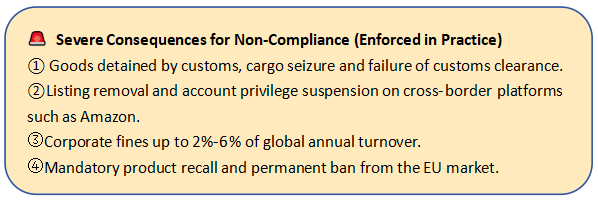
Exporters should audit packaging, standardise supply chains, complete compliance documents and upgrade packaging in advance. This helps prevent customs hold‑ups, listing removals and fines, securing your EU market presence.
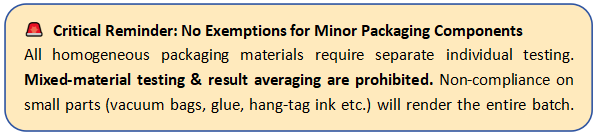
itical Reminder: No Exemptions for inor Packaging Components All homogeneous packaging materials require separate individual testing. Mixed‑material testing & result averaging are prohibited. Non‑compliance on small parts (vacuum bags, glue, hang‑tag ink etc.) will render the entire batch non‑compliant, even when outer carton passes.