
Buying pillows in bulk can look simple until inconsistent filling, changing specifications, weak packaging control, or missed shipment requirements affect your margins. For importers and wholesalers, these problems can create quality risk, inventory risk, and commercial risk at the same time. A low purchase price does not protect you when defective goods require rework or customer claims. The real problem is choosing a Manufacturer based only on quotation instead of evaluating the complete supply chain. Before placing a wholesale order, buyers should assess product specifications, sampling, quality control, packaging, documentation, communication, and shipment coordination. The right Supplier should reduce uncertainty from product development through final delivery.
What Makes a Reliable Wholesale Pillow Supplier?
A reliable wholesale pillow Supplier should provide consistent specifications, practical customization, sampling, quality control, packaging support, and export coordination. Kingworth combines multi-category comfort product supply with OEM and ODM development support, helping B2B buyers move from product requirements to sampling, production, branded packaging, inspection, and shipment coordination.
Experienced buyers know that the quotation is only one part of the sourcing decision. The following sections examine the less visible factors that can influence product consistency, packaging efficiency, purchasing risk, and long-term supplier relationships.
Bulk & Wholesale Pillows for Every Industry
Bulk pillow purchasing is rarely only about buying a large quantity at a lower unit price. Importers, wholesalers, retail chains, hospitality buyers, healthcare and wellness businesses, and private-label brands can have very different specifications and packaging requirements. A suitable Manufacturer should therefore understand the commercial purpose behind the order.
For example, a private-label buyer may prioritize branding and packaging, while a distributor may prioritize repeatable specifications and efficient carton planning. Hospitality buyers may need consistent products across multiple properties, while e-commerce operators may pay closer attention to packaging volume.
- Importers and distributors: focus on specification consistency and batch control.
- Private-label brands: evaluate Customizable materials, labels, packaging, and product presentation.
- Retail buyers: consider packaging configuration, product positioning, and replenishment requirements.
- Hospitality and institutional buyers: define use environment, quantity, care requirements, and packaging before production.
Kingworth supports B2B buyers with multi-category comfort products and an OEM/ODM development process covering product adaptation, sampling, production, quality control, packaging, and export coordination.
Customization & Protection
Customization should begin with the product specification rather than the logo. A professional OEM or ODM discussion should define what is being changed, why it is being changed, and how the finished specification will be controlled during production.
Depending on the SKU, customization may involve dimensions, thickness, material composition, firmness, cover design, fabric color, labels, care instructions, retail packaging, or shipping configuration. Some projects may also require vacuum compression or roll packing to meet channel requirements.
What Buyers Should Define Before Sampling
- Target market and sales channel.
- Product dimensions and construction.
- Materials and functional requirements.
- Branding and packaging requirements.
- Required certifications or market documentation.
- Target cost and expected delivery requirements.
The important commercial principle is specification protection. Once a sample is approved, the agreed specification should become the reference for production control and final inspection. This reduces the risk of receiving a product that technically resembles the sample but does not meet the buyer’s intended requirements.
Pillow Sizing & Use Guide
Pillow sizing should be connected to application rather than selected in isolation. A pillow designed for general bedding may have different dimensional priorities from a support pillow, cushion, or specialized comfort product. For wholesale buyers, the key is to establish the intended use before requesting a quotation.
| Buyer Requirement | Specification to Clarify | Supply Chain Consideration |
|---|---|---|
| Standard wholesale order | Dimensions, filling, cover, packaging | Specification consistency |
| Private label | Dimensions, materials, branding, packaging | Artwork approval |
| Hospitality project | Use environment, quantity, care requirements | Batch consistency |
| E-commerce product | Product size and compressed packaging | Packaging volume risk |
Before placing an order, buyers should confirm whether dimensions refer to the finished pillow, cover, or packaged product. They should also clarify tolerances where relevant. A clear specification sheet makes communication easier between the buyer, Manufacturer, production team, and inspection process.
Wholesale Pillows for Hospitality and Healthcare
Hospitality and healthcare-related purchasing requires a more disciplined sourcing process because the purchasing environment can involve institutional specifications, care requirements, packaging rules, and market-specific compliance considerations.
For hotels, buyers may prioritize consistency, appearance, comfort positioning, packaging, and practical care requirements. For care-related applications, buyers should define the intended use and verify any applicable safety, performance, labeling, or regulatory requirements for the destination market.
Procurement Checklist
- Define the application and intended user.
- Confirm product materials and construction.
- Specify packaging and carton requirements.
- Identify applicable market-specific compliance requirements.
- Approve samples before bulk production.
- Establish the required inspection standard before shipment.
Buyers should not assume that a pillow is suitable for a regulated or care-related application simply because it is described as a comfort product. Any medical, care, safety, or performance claim should be supported by appropriate evidence and reviewed for the target market before commercial use.
Proper Pillow Care for Hotel Pillows
Care instructions should be treated as part of the product specification rather than an afterthought. For hotel and institutional purchasing, incorrect care information can create unnecessary product complaints or shorten the useful service period of the product.
Buyers should confirm the actual care method for the specific SKU, including whether the cover is removable, whether it is washable, and what instructions should appear on the care label. These details should be verified against the final product rather than copied from a generic product description.
- Confirm the material composition of the finished product.
- Confirm whether the cover is removable.
- Verify the appropriate washing or care instructions for the SKU.
- Approve the care label artwork.
- Include the approved instructions in the production specification.
For private-label and wholesale programs, care labels, product inserts, and instructions can be incorporated into the packaging process. This helps connect product development with downstream retail and institutional requirements while reducing labeling risk.
Wholesale & Retail Pillow Supplier
A wholesale Supplier and a retail-focused Supplier may operate differently, even when they sell similar pillow categories. B2B buyers should evaluate whether the Manufacturer can support the entire purchasing workflow instead of simply supplying finished goods.
Kingworth’s business model combines comfort product manufacturing, OEM/ODM development, wholesale supply, and export support. Its supply approach covers product concept review, sampling, specification control, branded packaging, production, quality control, and shipment coordination.
What a B2B Supplier Should Support
- Product development and sample coordination.
- Specification and customization management.
- Branded packaging and labeling.
- Incoming quality control.
- In-process quality control.
- Final quality inspection.
- Carton and shipment coordination.
This broader approach matters because procurement risk often appears between stages. A good sample does not automatically guarantee good mass production. Likewise, a compliant product can still create commercial problems if packaging, labeling, carton planning, or shipment instructions are not controlled.
Why Choosing the Right Pillow Matters
The wrong pillow Supplier can create costs that never appear in the original quotation. Repeated quality issues, unclear specifications, unsuitable packaging, delayed approvals, and inconsistent communication can all increase the buyer’s total sourcing cost.
The right Manufacturer should therefore be evaluated through total procurement risk, not unit price alone. Buyers should ask how samples are approved, how specifications are maintained, how incoming materials are checked, how production is inspected, and how final goods are released.
Five Questions Worth Asking
- Can the Supplier provide a clear product specification?
- How are samples approved before mass production?
- What quality control checkpoints are used during production?
- How are packaging and labeling requirements managed?
- How will shipment and final inspection requirements be coordinated?
These questions reveal much more about manufacturing reliability than a basic price comparison. A sourcing decision should balance product suitability, customization capability, quality assurance, communication, packaging, and export coordination.
Our Wholesale Pillow Range
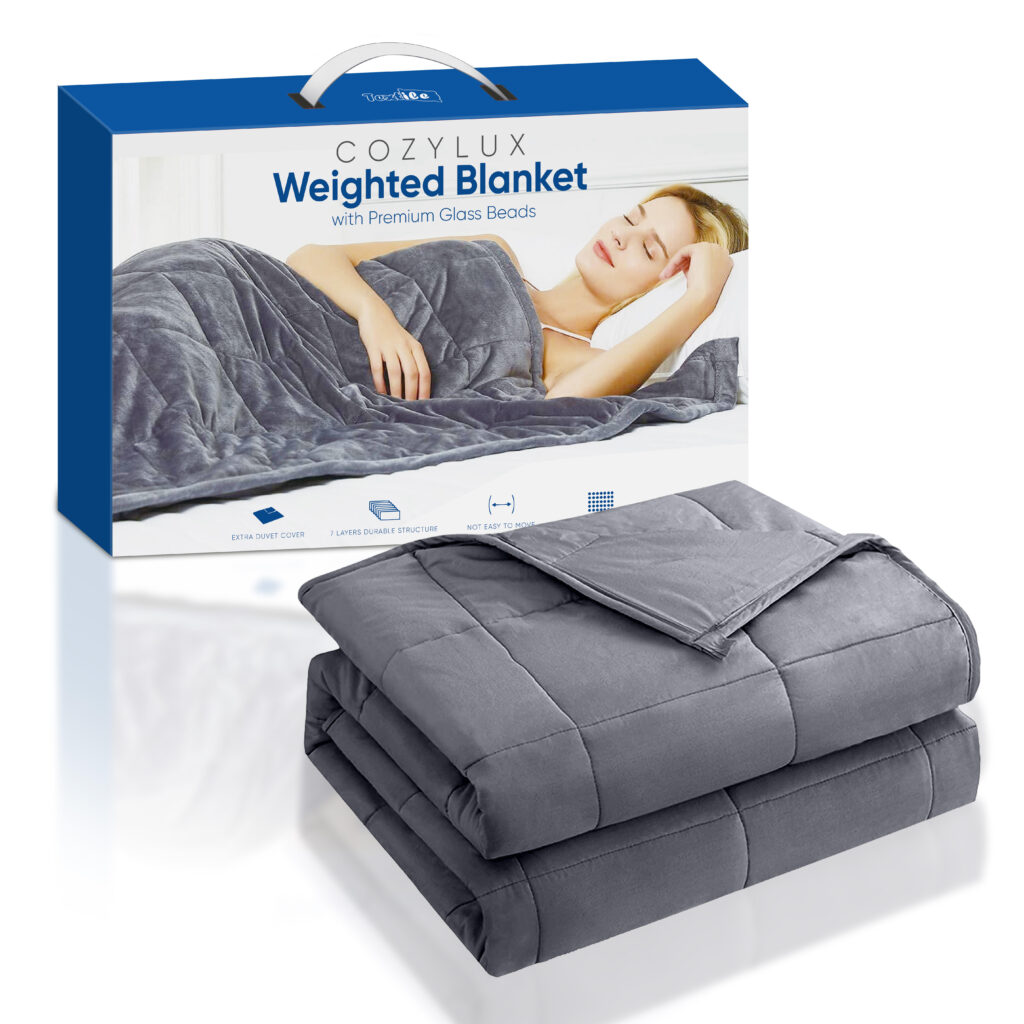
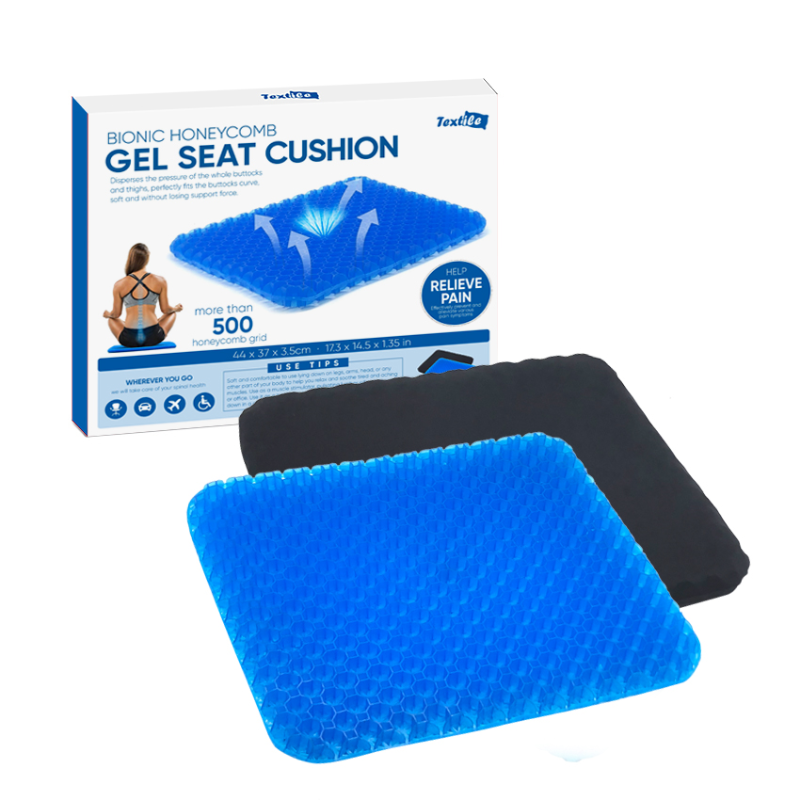
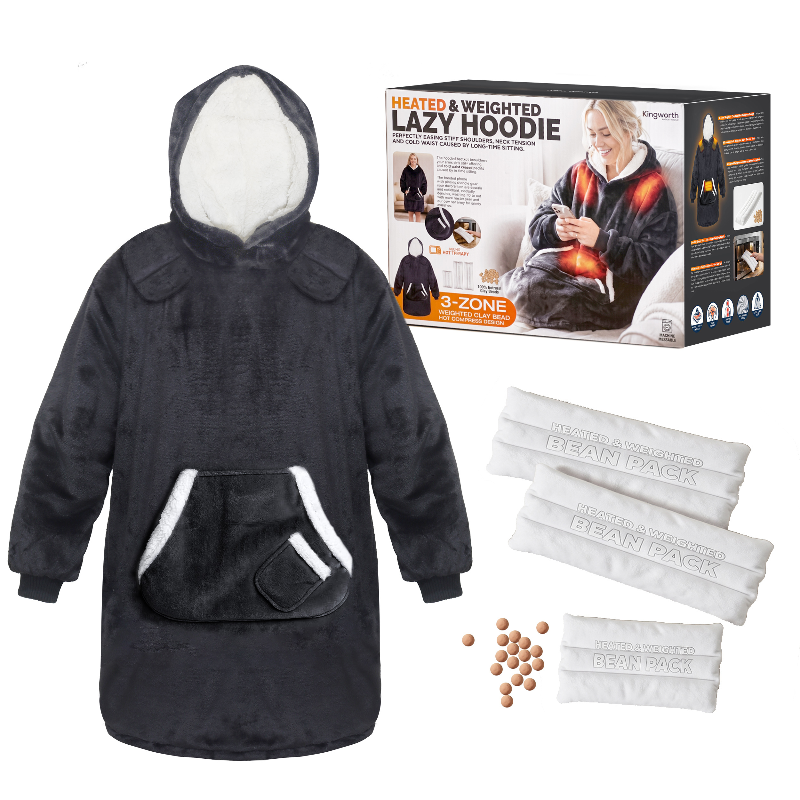
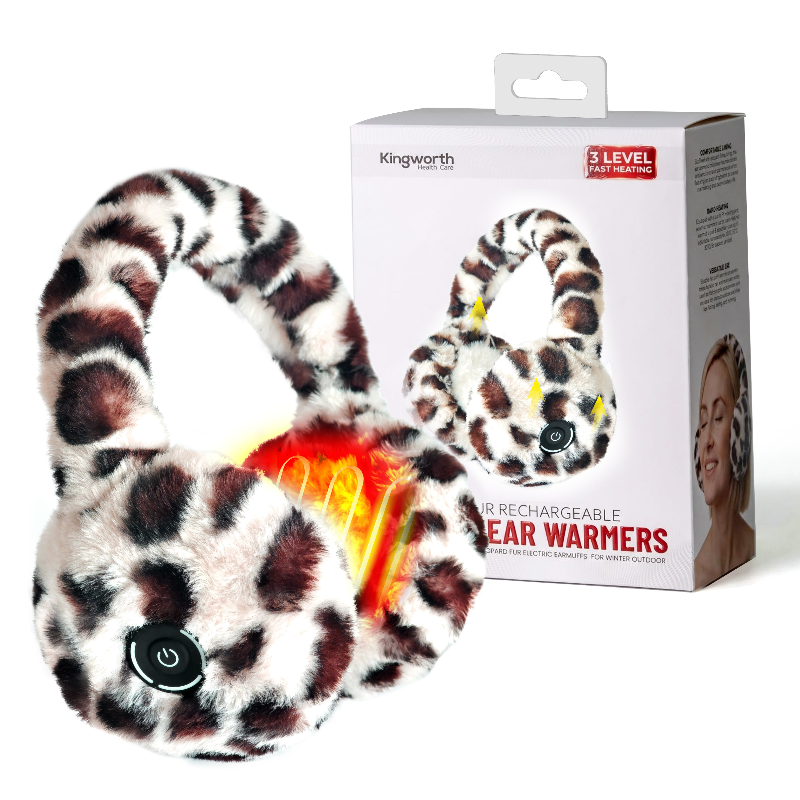
Kingworth operates across several comfort-product categories, including pillows, cushions, bedding, functional blankets, kids’ soft furniture, and health and care comfort products. This multi-category structure can be useful for buyers seeking a broader product portfolio rather than a single isolated SKU.
For pillow and support-product projects, the appropriate product should be selected according to the buyer’s application, target channel, specification, and market requirements. Kingworth can support OEM and ODM development when buyers need product adaptation or branded presentation.
| Product Development Stage | Buyer Focus | Supplier Support |
|---|---|---|
| Brief Review | Market, channel, quantity, specification | Requirement alignment |
| Sample Development | Design and product confirmation | Prototype/sample coordination |
| Approval | Specification and compliance | Approval control |
| Mass Production | Consistency and schedule | IPQC process |
| Shipment | Final quality and packaging | FQC and shipment coordination |
Pillow Fill Types Explained
Filling selection should be driven by the intended product specification and application. Buyers should avoid choosing a filling simply because it is popular in another market or product category.
Depending on the SKU, pillow construction can involve different materials and structures. For example, memory foam is used in selected Kingworth ergonomic support products, while other products may use polyester or combinations of materials. The specific material, density, firmness, dimensions, and cover construction remain SKU-specific.
Commercial Questions for Buyers
- What filling or core material is required?
- What firmness or support characteristics are expected?
- What cover material is appropriate for the target channel?
- Does the product require a removable cover?
- How should the finished product be packaged?
For OEM and ODM programs, material selection should be confirmed during sample development. The approved sample and specification should then become the reference point for production consistency and inspection.
Wholesale Pillows: Full Range for Hotels, Care Homes & Bulk Buyers
Large institutional or commercial orders require more than a product catalogue. Buyers need a procurement process that connects specification, quantity, packaging, inspection, and shipment requirements.
For hotel groups, care-related buyers, distributors, and other bulk purchasers, the first step should be a structured sourcing brief. The brief should identify the product category, target market, channel, estimated quantity, dimensions, materials, functions, required certifications, packaging, target cost, expected delivery, and reference images where applicable.
Once the requirements are defined, the Supplier can determine whether an existing product is suitable or whether OEM/ODM development is more appropriate. Sampling should take place before mass production, followed by specification confirmation and the agreed quality inspection process.
Buyers should also clarify packaging quantities, carton planning, labels, barcodes, shipping marks, and loading requirements early. These details can affect the final logistics plan and should not be left until the shipment stage.
Pillows By Type
When searching for wholesale pillow manufacturers, buyers should organize products by commercial application and construction rather than relying only on generic names. This makes supplier communication more precise and helps prevent specification gaps.
General Comfort Pillows
Suitable specifications should be developed around the intended bedding or comfort application, with dimensions, filling, cover, and care requirements clearly defined.
Ergonomic Support Products
Support-oriented products may involve memory foam or other specified materials and structures. The exact construction should be reviewed at SKU level rather than assumed across the entire range.
Custom Private-Label Pillows
Private-label programs can combine product customization with branded packaging, woven labels, care labels, inserts, and other presentation requirements. OEM or ODM cooperation is useful when the buyer needs product adaptation rather than a standard catalogue item.
Bulk Institutional Products
Institutional orders require particular attention to consistent specifications, packaging configuration, inspection requirements, and destination-market compliance. Buyers should establish these requirements before issuing a purchase order.
Frequently Asked Questions
What is the best pillow for hotel use?
The best hotel pillow depends on the property’s target positioning, dimensions, materials, care requirements, packaging, and budget. Buyers should define these specifications first, then approve a sample before bulk production rather than selecting a pillow based only on a generic product name.
Do care homes need flame retardant pillows?
Requirements depend on the destination market, application, and applicable regulations. Buyers should confirm whether flame-retardant performance, testing, labeling, or certification is required for their specific project. Do not assume that every care-home pillow has the same compliance requirements.
Can I mix different pillow types in the same order?
Potentially, depending on the project and production arrangement. Buyers should provide the required SKUs, quantities, specifications, packaging, and labeling details in advance so the Supplier can evaluate the order structure and confirm the applicable commercial terms.
Do you sell bulk case packs downalternative pillows in bulk for a motel?
Kingworth’s product information supports wholesale and OEM/ODM comfort-product supply, but it does not establish a specific downalternative motel case-pack configuration. Buyers should provide the required size, filling, quantity, packaging, target market, and branding requirements for SKU-level confirmation.
Choose the Right Wholesale Pillow Manufacturer
The right Supplier should reduce sourcing uncertainty, not simply offer a low quotation. Define your product requirements, confirm samples, control specifications, review compliance, and establish inspection and packaging requirements before production. For OEM, ODM, and wholesale pillow projects, contact Kingworth with your product brief to discuss the next sourcing step.