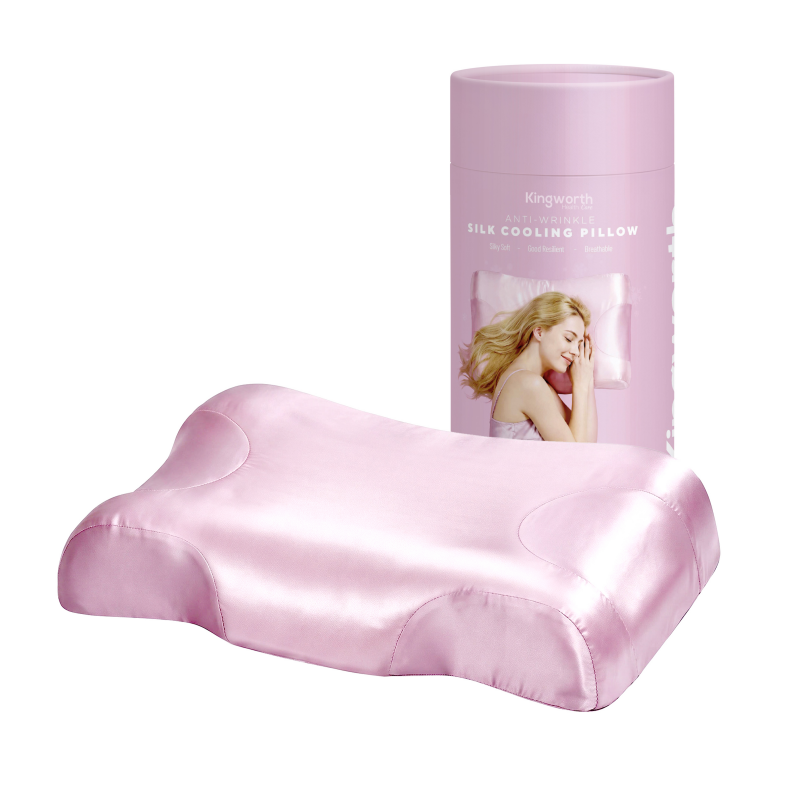
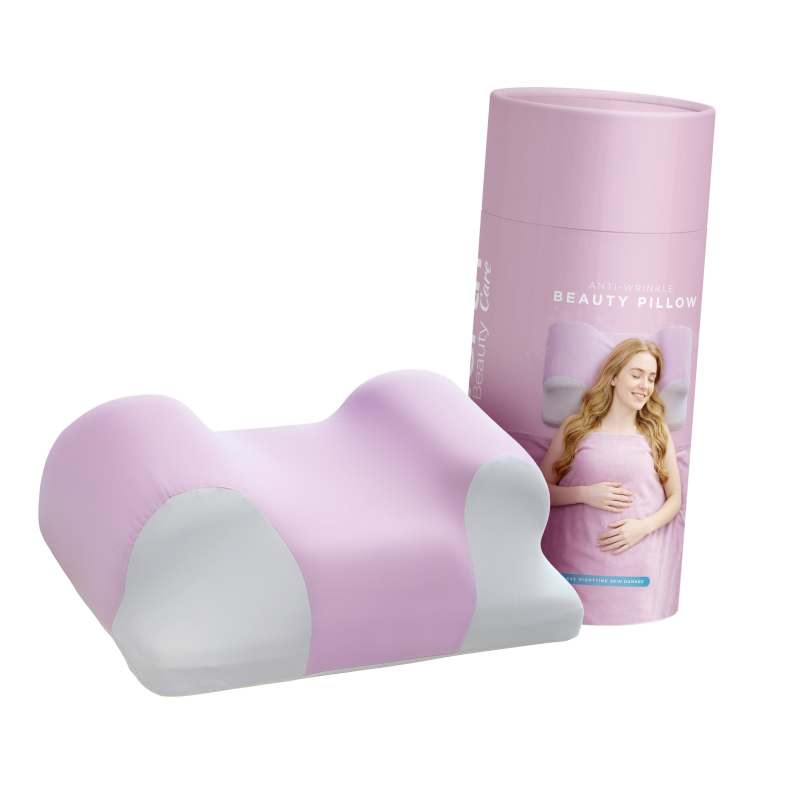
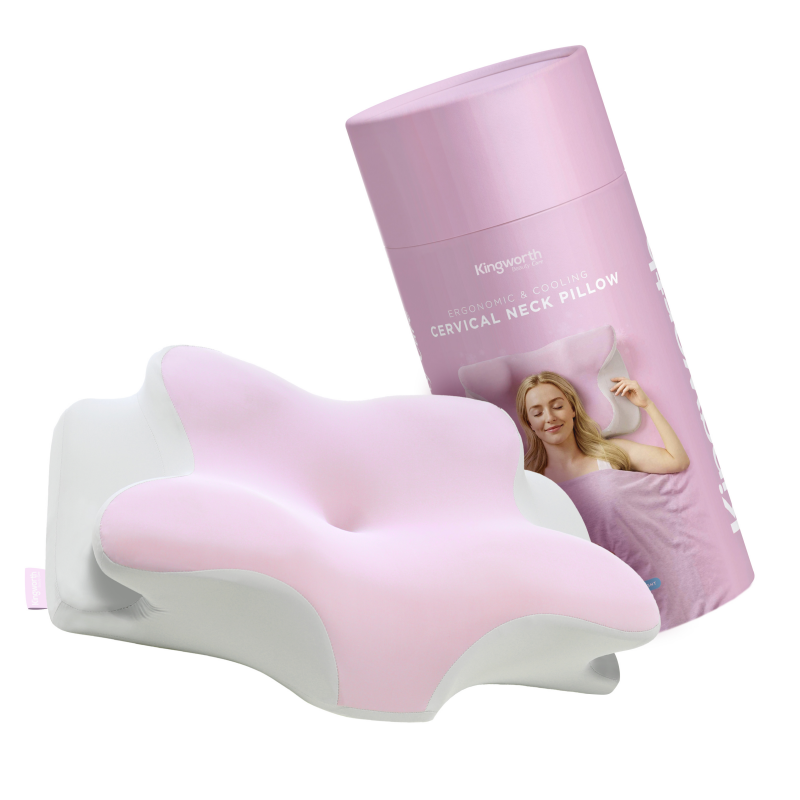
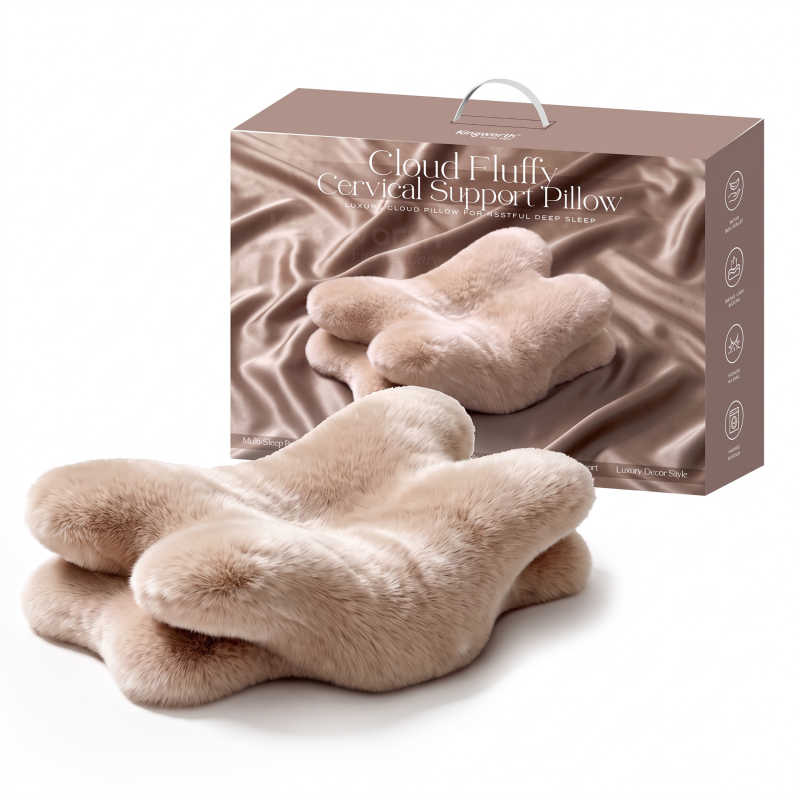
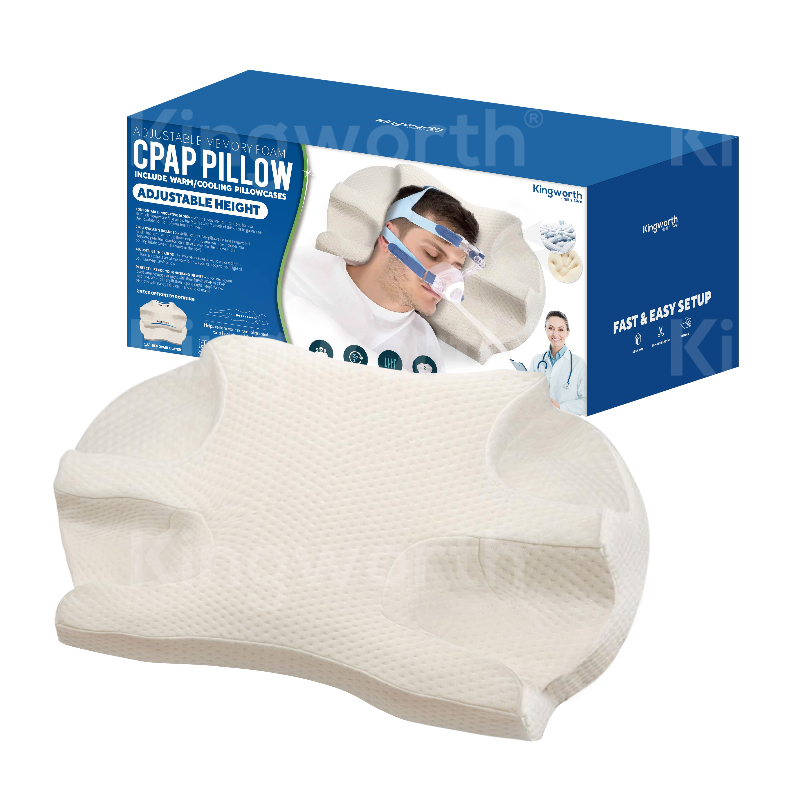
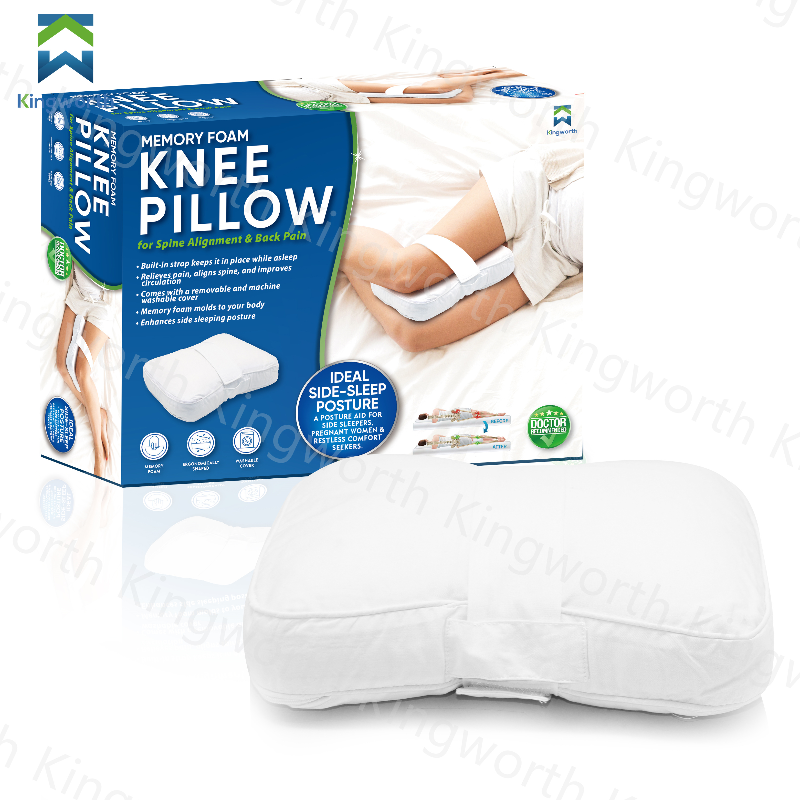
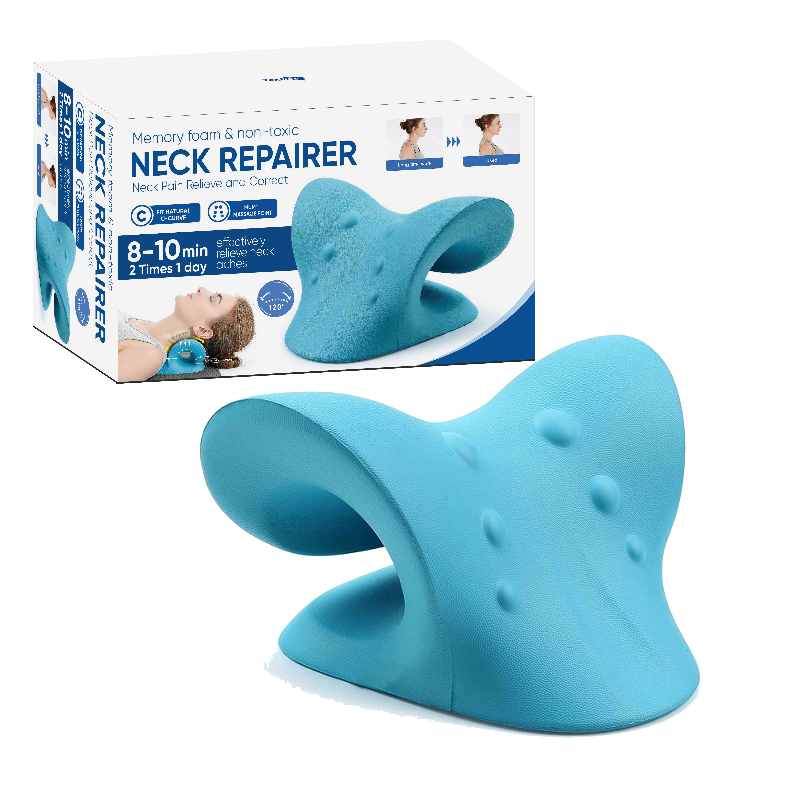
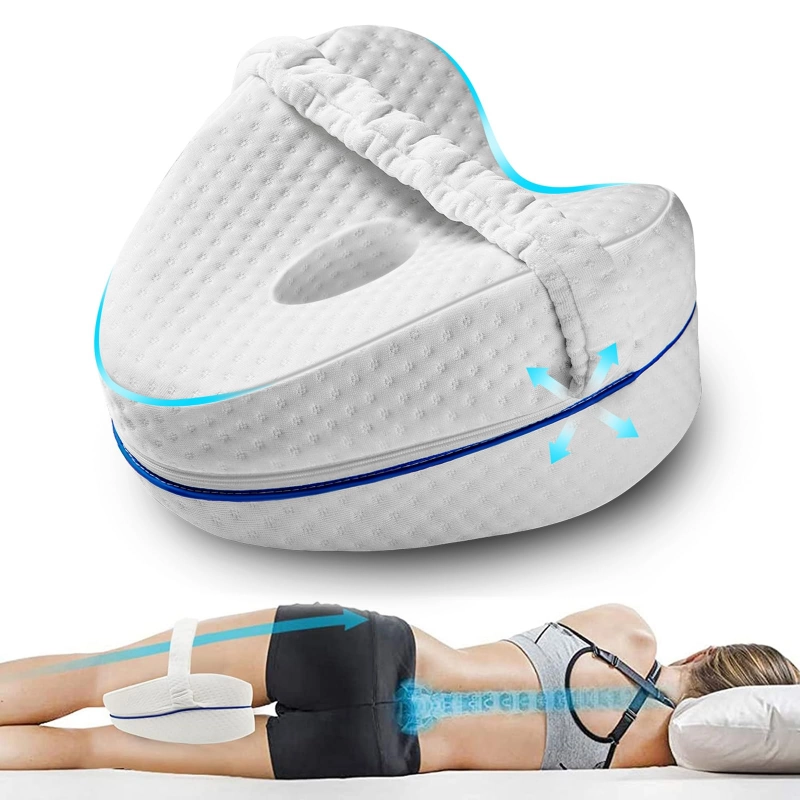
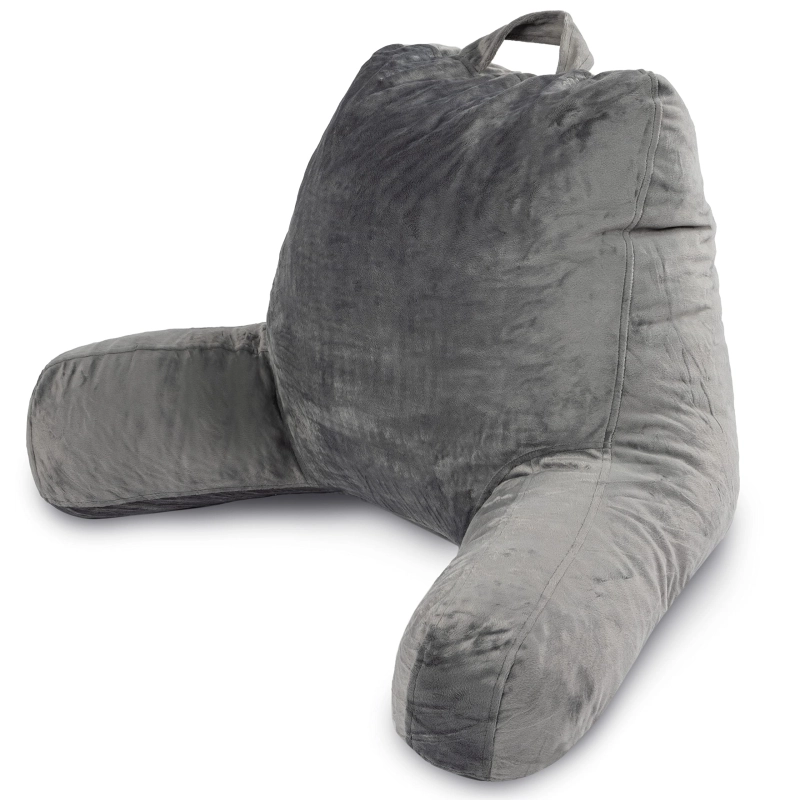
Molded or Shredded Memory Foam: Choose Your Starting Point
The first decision is the pillow’s construction. A molded core gives the pillow a defined profile. Shredded foam creates a filled structure, with adjustment options where the liner and filling-access design allow them.
| Construction |
Product direction |
Specifications to confirm |
| Molded memory foam |
Contoured sleep pillows and distinctive shaped designs |
Core geometry, density, firmness, loft and cover fit |
| Shredded memory foam |
Filled sleep pillows, body pillows and selected adjustable designs |
Foam specification, filling composition, fill weight and liner construction |
Choose molded foam when shape is central to your product. A curved neck section, recessed center or other defined profile starts with the core geometry. The sample review should cover the complete contour, including the height at different points.
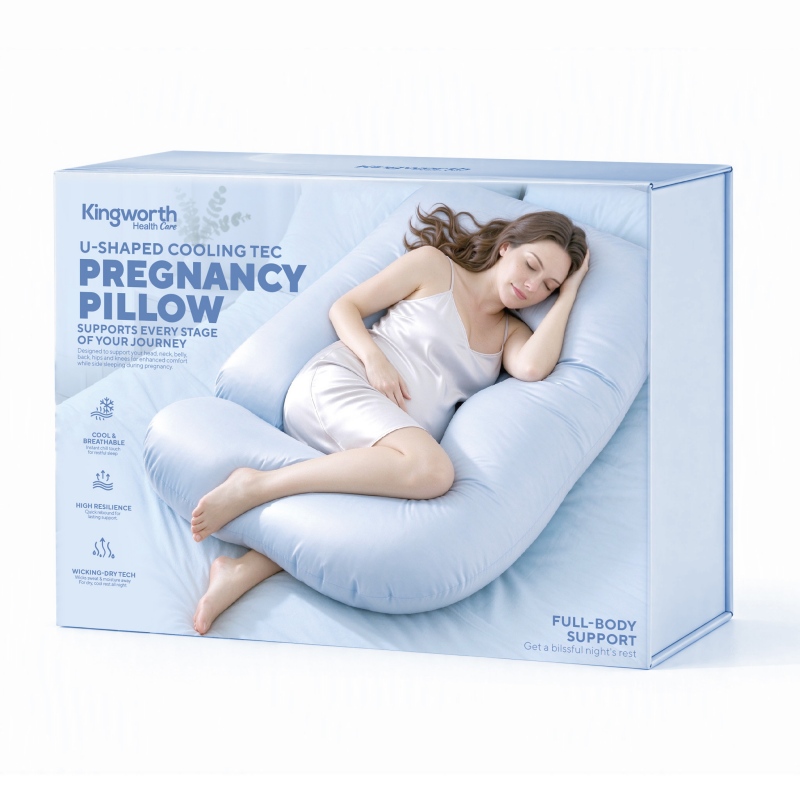
Choose shredded foam when filling and adjustability are central to your product. Specify the filling composition and weight, then assess how the filling distributes inside the liner. If customers will add or remove filling, include a suitable access closure and clear adjustment instructions.
Kingworth’s range includes shaped memory foam sleep pillows and shredded-foam body-support designs. For a product example, explore our U-shaped shredded memory foam pregnancy pillow.
Specify Density, Firmness and Loft Separately
“High-density memory foam” does not fully describe how a pillow feels. Density measures mass per unit volume; firmness describes resistance to indentation. The Polyurethane Foam Association identifies these as separate properties, so a higher density should not automatically be treated as a firmer feel. Foam performance reference
For your OEM brief, define each requirement separately:
| Specification |
What to agree |
| Density |
Target foam density, unit of measurement and acceptable tolerance |
| Firmness |
Desired feel, reference sample and test method where numerical values are used |
| Loft |
Finished height, including separate measurement points for contoured designs |
| Dimensions |
Length, width, contour details and measurement method |
| Recovery |
Agreed evaluation conditions and recovery expectations |
| Finished feel |
Assessment with the intended liner and outer cover fitted |
If you do not have a complete technical specification, send a reference pillow and explain what you would change: a lower center, a softer surface feel, a different contour or a closer-fitting cover. These observations give the development team a practical starting point.
For US and European collections, specify actual dimensions in centimeters and inches where needed. Size names alone may not communicate the intended fit.
Two Routes to Your Private Label Pillow
Adapt an Existing Design
Start with an established pillow shape and develop the details around your brand. Depending on the model, the project can include changes to the cover, color, labels, packaging and foam specification.
This route suits buyers who have selected a product format and want to focus development on feel, presentation and market requirements. Confirm which changes can use the existing core design during the initial review.
Develop a Custom Shape
For a distinctive profile, share a drawing, physical sample or dimensioned concept. Our OEM/ODM service supports shape review, 3D development and proprietary mold discussions.
Before tooling begins, agree on:
- The pillow’s dimensions and contour.
- The intended foam specification.
- How the liner and outer cover will fit.
- Prototype and sample-approval stages.
- Mold costs, ownership and usage arrangements.
- Expected quantities and target production schedule.
A change to the core also needs a corresponding cover review. Seams, zipper position and fabric stretch should be considered alongside the shape.
Explore Kingworth’s OEM/ODM development service.
Match the Cover to the Core
The cover is part of the finished pillow’s feel and appearance. Select it during sampling so your team can evaluate the complete product.
Everyday textile covers
Discuss composition, texture, fabric weight, color and removable-cover construction. Review seam placement and zipper access on the actual core.
Cool-touch covers
For a cooling-focused collection, define the fabric and the performance you want to evaluate. Agree on the test method and conditions before adding a measured cooling claim to packaging or product listings.
Premium cover options
For collections using silk or other specified materials, confirm composition and construction at the material-selection stage. Include care instructions and the finished appearance in the sample approval.
The inner liner and outer cover should have clearly defined roles. Specify which components are removable and how each component should be cared for.
From Foam Core to Finished Pillow
Our project workflow connects foam processing, cover production, assembly, inspection and packing.
For molded designs, the production plan covers core forming, demolding, trimming and preparation before assembly. For shredded-foam designs, filling preparation, fill-weight control and distribution inside the liner are key checkpoints.
Cover production includes cutting, sewing, closure installation and label application. Finished-product checks then bring the components together: dimensions, contour, appearance, cover fit and packaging are reviewed against the approved specification.
For repeat orders, retain the agreed material references and sample records. Any proposed change to foam, fabric or construction should be reviewed before it enters the next production batch.
Approve Compression Packaging with the Pillow
A smaller pack is useful only if the pillow also meets your requirements after unpacking.
Kingworth can review vacuum-compression and other packing options for suitable models. Treat packaging approval as part of product approval, especially when the pillow will remain compressed during transport and storage.
A practical packaging trial should record:
- The pillow’s dimensions and appearance before packing.
- The compression method and finished pack size.
- The time spent in the compressed pack.
- Unpacking conditions and the agreed recovery period.
- Recovered dimensions, contour, cover condition and feel.
Use the results to confirm the pack format and customer instructions. Avoid assigning one recovery time to every foam construction.
For retail and e-commerce orders, we can also coordinate branded boxes, inserts, barcodes, shipping marks and export-carton specifications.
Material Documentation for Your Target Market
Tell us your documentation requirements when you submit the brief. We can review available records for the selected foam, cover and finished product, then discuss additional testing for the project.
Keep the scope clear: a report for a foam material, a textile certificate and a finished-product test report cover different things. Your team should be able to identify the material or product covered, the report holder and its applicability to the order.
This review can take place alongside sampling, allowing material selection, labeling and testing needs to be addressed before bulk production.
Start Your Memory Foam Pillow Project
Send us your reference model, drawing or product concept, together with your target market and estimated quantity.
If available, include the dimensions, preferred feel, cover material, packaging requirements and target delivery date. Our team will review the brief and outline the sampling, customization and quotation requirements.
Request a Development Review & Quote