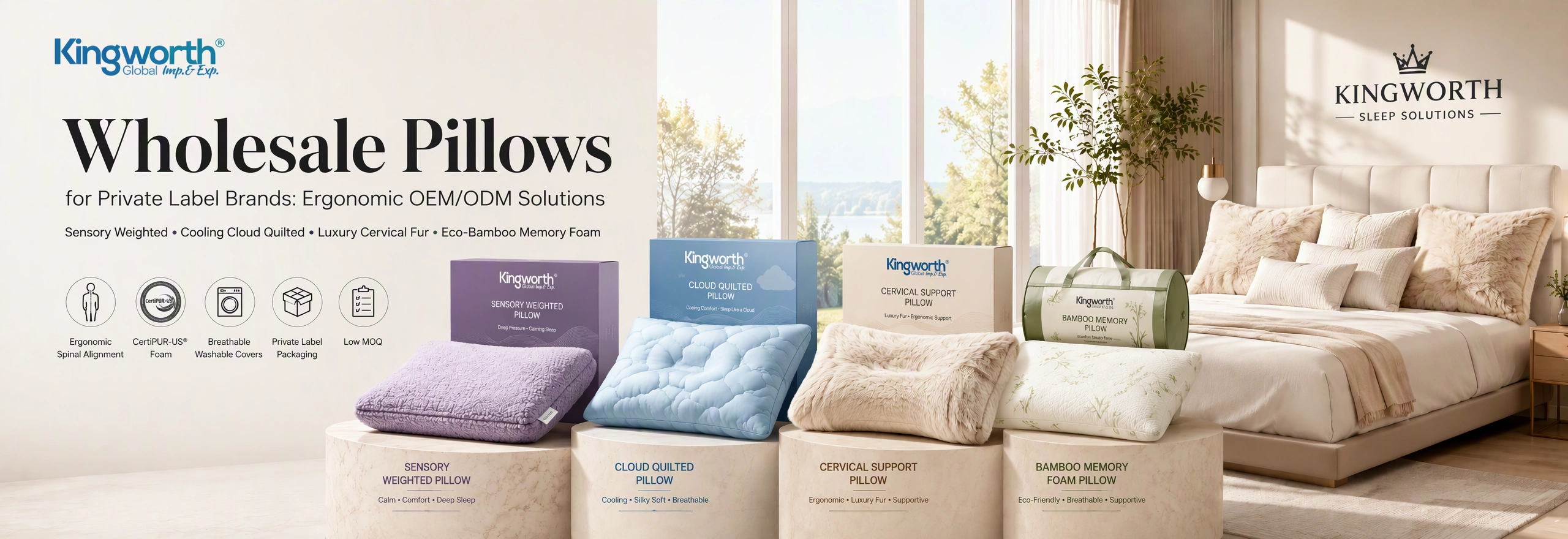
Wholesale Pillows for Private Label Brands
Finding the right supplier for wholesale pillows involves more than comparing unit prices. Home textile brands, home furnishing retailers, gift wholesalers, and import distributors need a pillow range that fits their target customers, meets their product specifications, arrives in suitable packaging, and can be reproduced consistently across repeat orders. The right sourcing partner should help buyers evaluate pillow construction, filling materials, cover fabrics, dimensions, labeling, and quality requirements before committing to bulk production.
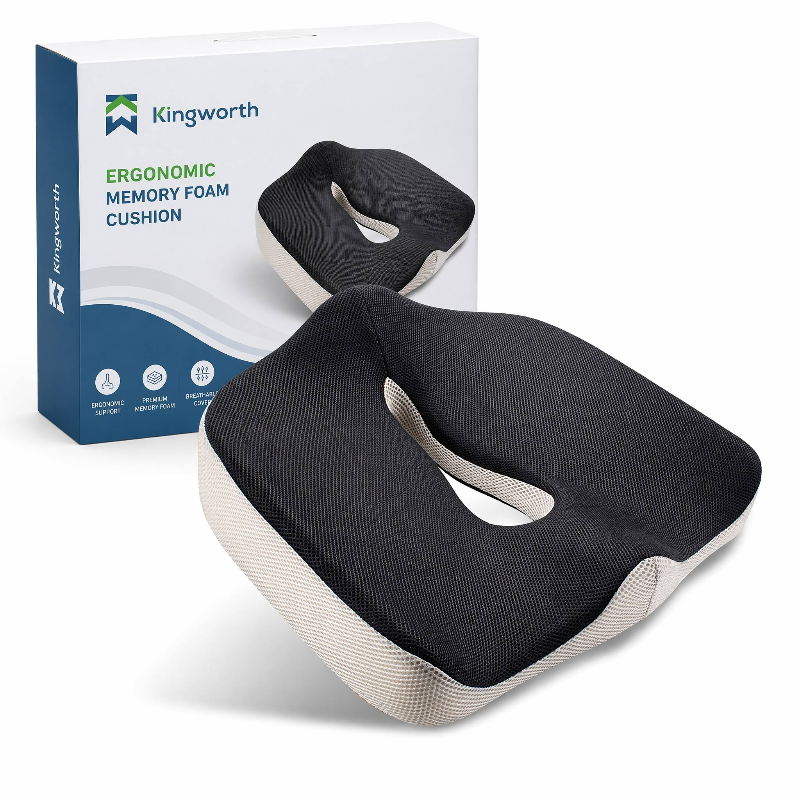
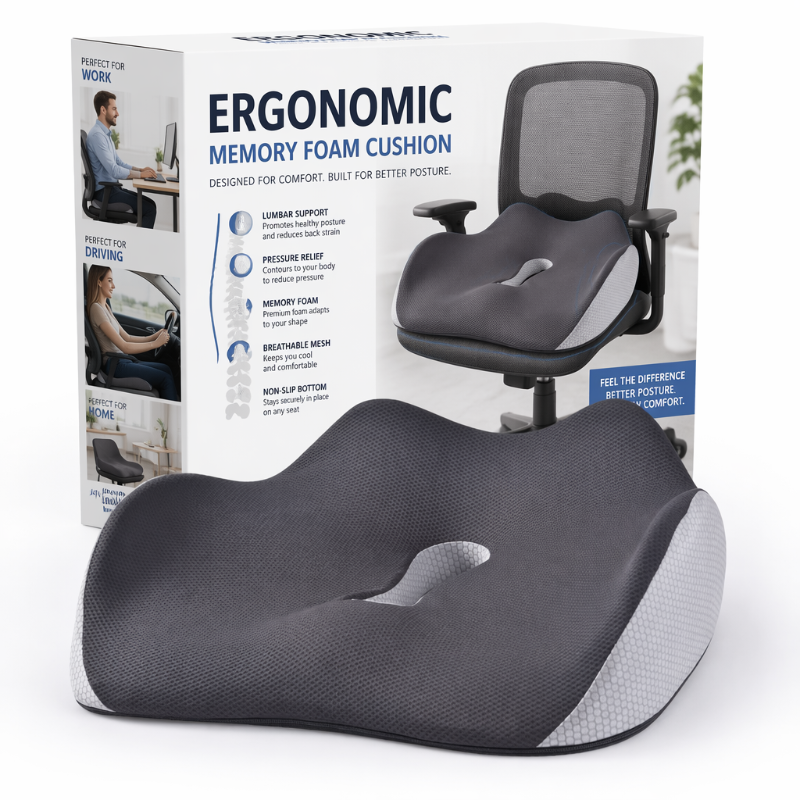
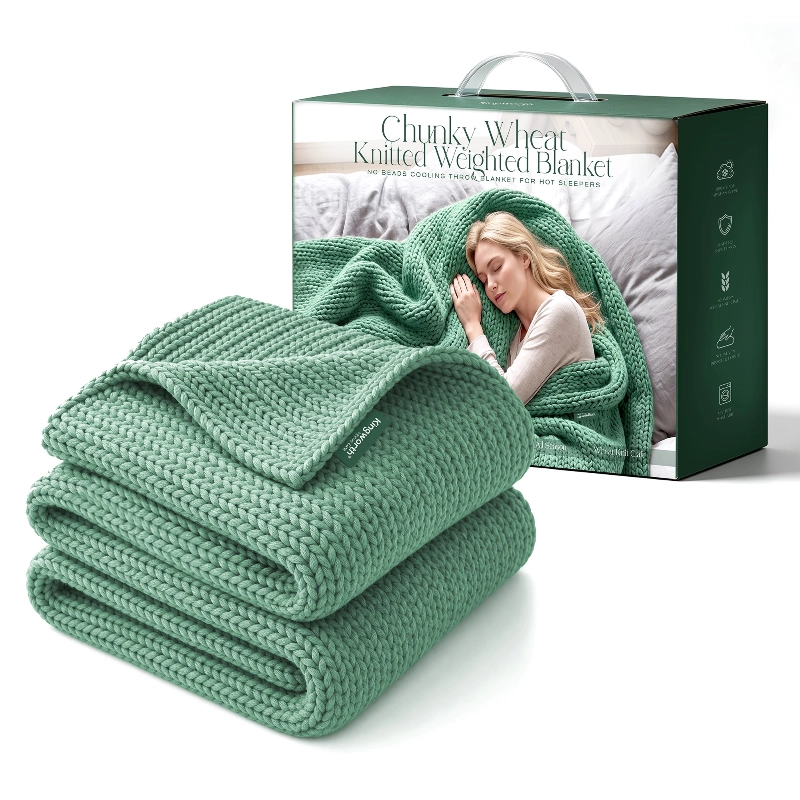
Kingworth, Ningbo Kingworth Global Imp. & Exp. Co., Ltd., is a China-based comfort product manufacturer and export supplier established in 2016. We support B2B buyers with product development coordination, OEM/ODM customization, sample review, specification control, packaging coordination, and shipment planning. Our broader comfort product range includes pillows, cushions, bedding, functional blankets, kids’ soft furniture, and related comfort products.
Whether you are developing a private-label bedding collection, sourcing bulk pillows for retail distribution, or evaluating a new product for your wholesale catalog, the first step is to define the construction and commercial requirements. This guide explains how to organize pillow options by core construction, evaluate customization possibilities, plan mixed-model orders, and prepare the information needed for an efficient quotation.
Wholesale Pillow Solutions for Different B2B Buyers
Different buyers need different product specifications and supply arrangements. A retail brand may prioritize visual differentiation and branded packaging, while an importer may focus on carton configuration, repeat-order consistency, and shipping efficiency. A gift wholesaler may need several product styles for seasonal collections, while a bedding retailer may prefer a coordinated range with consistent sizing and material descriptions.
For home textile and bedding brands
Brands need products that fit a defined market position and remain consistent from the approved sample to bulk production. A private-label pillow program may require coordinated colors, selected dimensions, distinctive cover fabrics, brand labels, care labels, and retail-ready packaging.
For these buyers, it is important to establish a documented specification before production. The specification should identify the filling, cover composition, finished dimensions, loft, weight where relevant, construction details, care instructions, and packaging configuration. Any changes after sample approval should be reviewed and documented before they are introduced into production.
For home furnishing retailers
Retail buyers often need a practical assortment that addresses different customer preferences without creating unnecessary inventory complexity. A range may include pillows with different filling constructions, profiles, fabric textures, and intended uses. Product descriptions should clearly explain the distinctions so that customers can compare options without relying on unsupported claims.
Retailers should also consider shelf presentation, online product photography, package dimensions, barcode requirements, and the consistency of product information across stores and e-commerce channels. The final product and packaging should match the descriptions used in the retail catalog.
For gift wholesalers
Gift wholesalers may prioritize coordinated designs, attractive packaging, color selection, and suitability for seasonal or themed collections. Depending on the product and order requirements, customization may include selected cover fabrics, colors, labels, and packaging artwork.
Before committing to a seasonal launch, buyers should confirm sample approval timing, material availability, artwork approval, production scheduling, and shipment arrangements. These factors are especially important when the products must reach a distribution center before a fixed retail date.
For importers and distributors
Importers and distributors need reliable product data and predictable order execution. Their purchasing decisions may depend on minimum order quantity, material documentation, carton dimensions, gross and net weight, labeling requirements, and the ability to reproduce an approved design in subsequent orders.
For these projects, Kingworth recommends aligning the technical specification and packaging plan before comparing final quotations. Two offers are only meaningfully comparable when they refer to the same product construction, materials, dimensions, customization scope, and inspection requirements.
Wholesale Pillows Organized by Core Construction
The pillow’s internal construction is one of the most useful ways to organize a wholesale catalog. Filling material affects the product’s feel, shape, weight, care requirements, packaging approach, and customer-facing description. A construction-based category structure also helps buyers compare products using clear technical information rather than relying on appearance alone.
The following overview describes common pillow construction groups in the wider market. The exact materials, models, and customization options available for a specific Kingworth project must be confirmed against the selected product specification.
Fiber-filled pillows
Fiber-filled pillows use textile fibers as the primary filling. Depending on the selected design, fiber-filled products may be developed for a soft profile, a fuller appearance, or a particular balance of support and flexibility. The actual result depends on the fiber type, filling quantity, casing dimensions, and internal construction.
For wholesale buyers, important specification points include:
- Exact filling material and applicable fiber composition.
- Filling weight and the method used to control distribution.
- Finished length, width, and expanded loft.
- Cover fabric composition, color, and surface construction.
- Seam construction and any internal compartments or closures.
- Approved washing, drying, and storage instructions.
- Packaging method and expected shape recovery after transport, where applicable.
Fiber-filled pillows may be suitable for a variety of home textile programs, but buyers should avoid assuming that every fiber-filled design has the same firmness, loft retention, or washing performance. These characteristics must be evaluated for the actual product.
Foam-core pillows
Foam-core pillows use a foam component as the primary support structure. Depending on the design, foam may be molded, cut, contoured, or incorporated into a multi-component construction. The material and shape should be confirmed for the selected model rather than inferred from a product photograph.
When sourcing foam-core pillows, buyers should review the foam type, dimensions, density where specified, firmness or feel criteria where relevant, cover construction, and cleaning instructions. If the product is shipped compressed, the compression method and recovery behavior should also be assessed before approval.
Foam-core pillows should not automatically be described as memory foam pillows. A memory foam claim is appropriate only when the selected product actually uses memory foam and the material description has been verified.
Memory foam pillows
Memory foam pillows are a distinct product category that may appeal to brands seeking a foam-based pillow with a defined material identity and construction. The shape, dimensions, foam formulation, cover, and intended use vary by model.
For a private-label memory foam pillow, buyers should confirm:
- Whether the core is memory foam or a combination of different materials.
- The actual core dimensions and finished pillow dimensions.
- The cover composition and whether the cover is removable.
- The approved cleaning method for the cover and foam core.
- Any material or performance claims proposed for the retail listing.
- Compression and recovery requirements for the intended shipping method.
Memory foam products may require different care and packaging instructions from fiber-filled pillows. A product page should therefore link to the verified memory foam pillow category or model only after the relevant product and URL have been confirmed.
Special-purpose and shaped pillows
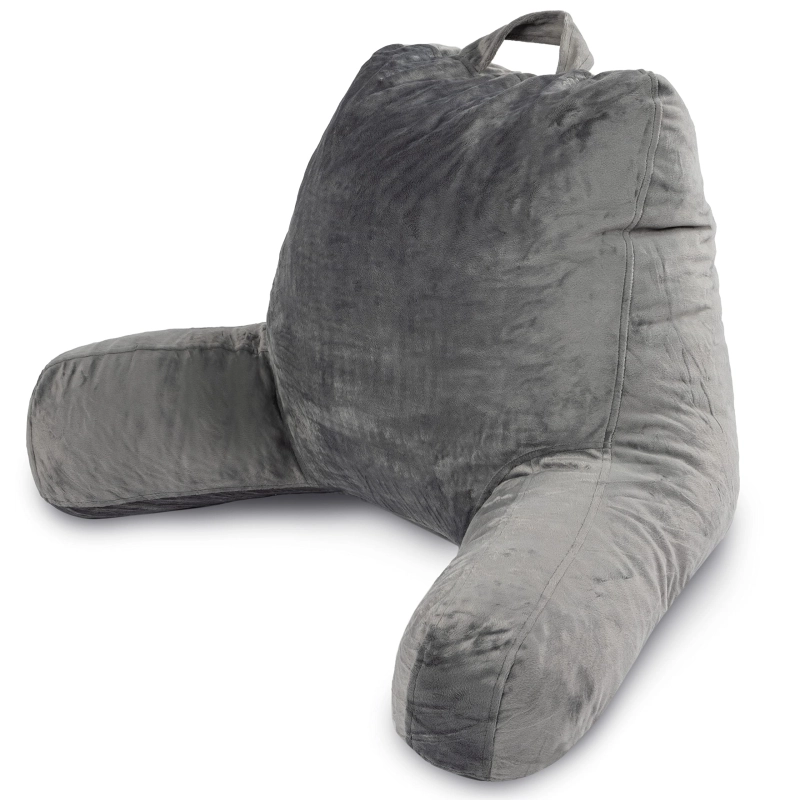
Special-purpose pillows are designed around a particular form factor or use scenario. Depending on the verified product range, this broader market category can include reading pillows, pregnancy pillows, and other shaped pillow designs.
Reading pillows are often positioned around an upright lounging or reading setup, while pregnancy pillows are commonly developed around body-support configurations. These names imply different product shapes and intended uses, so buyers should verify the design, dimensions, filling, care requirements, and intended-user information before adding a model to a wholesale catalog.
For these products, the specification should describe what the pillow is designed to do without making unsupported medical or therapeutic promises. Product descriptions should focus on confirmed construction, intended use, materials, and care instructions.
Cooling-cover and cooling-oriented pillows
Cooling-oriented pillows combine a pillow construction with a cover or material positioned around a cooling-related characteristic. Buyers should distinguish a cool-to-the-touch description from measurable fabric performance or a broader claim about overnight comfort.
Before placing a cooling pillow into a private-label range, confirm the fabric composition, technical documentation, relevant test reports, and any conditions attached to the claim. If the cover is removable and washable, determine whether the intended fabric characteristics have been evaluated after the specified care process.
For details about a particular cooling model, use a dedicated cooling pillow category page once the model and internal link are verified. This category overview should introduce the available range without duplicating the full technical explanation on the cooling subcategory page.
Choose the Right Pillow Construction for Your Product Range
The best construction depends on the target customer, product positioning, intended use, packaging plan, and commercial requirements. Instead of selecting a pillow based only on appearance, buyers should compare the features that can be confirmed and controlled.
| Construction group | Key sourcing questions | Important approval points |
|---|---|---|
| Fiber-filled pillow | What is the filling material? How much filling is used? What care method is permitted? | Filling distribution, dimensions, loft, seams, and care instructions |
| Foam-core pillow | What type of foam is used? Is the core removable? Is compression planned? | Core dimensions, material identity, cover fit, recovery, and packaging |
| Memory foam pillow | Is the material confirmed as memory foam? What cover and care method apply? | Core specification, finished dimensions, labeling, and recovery requirements |
| Reading or pregnancy pillow | What is the actual shape? What dimensions and intended-use information apply? | Approved design, filling, cover, dimensions, and accurate product description |
| Cooling-cover pillow | What supports the cooling-related claim? Which fabric is used? | Fabric composition, test evidence, care instructions, and claim review |
This table is a sourcing framework rather than a declaration that every construction is currently available as a standard Kingworth model. Availability, specifications, customization feasibility, and commercial terms should be confirmed for each project.
OEM and ODM Wholesale Pillow Customization
Private-label buyers often need more than a standard pillow. They may require a product that fits their brand identity, target price, customer preferences, or retail packaging system. Kingworth supports B2B product development and OEM/ODM coordination for comfort products, with specific options depending on the selected pillow design and material requirements.
Size and loft customization
Finished dimensions affect pillowcase fit, shelf presentation, shipping volume, and customer expectations. Loft affects the product’s profile and visual fullness. Where customization is feasible, the buyer and supplier should define the target dimensions and measurement method before sampling.
Dimensions should be recorded using a consistent procedure. For soft or compressible products, the specification should explain how the pillow is positioned, whether pressure is applied, and when measurements are taken after unpacking or conditioning. Acceptable tolerances should be agreed for bulk production.
Filling and core customization
Filling changes may affect product weight, feel, loft, care requirements, compression behavior, and cost. A request to change the filling should therefore be evaluated alongside the cover and overall construction.
Buyers should specify whether they want to retain an existing approved construction or develop an alternative. If a change affects the product’s identity or performance claims, a revised sample and updated specification may be necessary before production approval.
Cover fabric and color customization
Cover customization may include selected fabric compositions, colors, textures, and surface designs, subject to material availability and the requirements of the product. Buyers should distinguish a visual preference from a technical requirement. For example, a specific cooling-related claim needs appropriate material information and evidence; choosing a fabric because it feels cool during a brief sample review is not sufficient to substantiate every cooling claim.
Color approval should be based on a defined reference, such as an approved sample or agreed color standard. Production variations should be assessed against the approved reference and the tolerances established for the project.
Private-label branding and packaging
Depending on the project, customization may include brand labels, care labels, hangtags, printed information, barcodes, retail boxes, inserts, and other agreed packaging components. The buyer should provide the correct brand assets, artwork, barcode information, destination-market requirements, and packaging preferences before final approval.
All packaging statements should match the approved product specification. Avoid printing material percentages, care instructions, certifications, or performance claims before the corresponding information has been confirmed.
Customization overview
| Customization area | Possible project requirement | Confirmation needed |
|---|---|---|
| Dimensions | Target length, width, and loft | Feasibility, measurement method, and tolerances |
| Filling or core | Selected material or approved construction | Material availability, technical suitability, and sample approval |
| Cover | Fabric, color, texture, or design | Composition, availability, care requirements, and any performance evidence |
| Branding | Logo, woven label, printed label, or hangtag | Artwork, placement, production method, and order requirements |
| Packaging | Individual bag, box, insert, or carton configuration | Dimensions, material, pack-out method, and commercial terms |
MOQ and Mixed-Model Wholesale Orders
Minimum order quantity (MOQ) is a key factor in wholesale pillow sourcing, but there is no single MOQ rule that should be applied to every construction, material, or customization request. The applicable MOQ may depend on the selected model, order quantity, cover fabric, color, filling, packaging, and whether the order uses standard or customized components.
Mixed-model orders require additional clarification. A buyer may want to combine different pillow types, sizes, colors, or packaging configurations in one purchase order. Whether those items can be combined toward an MOQ depends on the actual production and material requirements. Buyers should not assume that the quantities of unrelated models can always be combined into one total MOQ.
Questions to confirm before ordering mixed models
- Does each model have a separate MOQ?
- Can different sizes or colors share a production run?
- Can multiple models use the same fabric or filling material?
- Are customized labels or retail boxes subject to separate minimum quantities?
- Will mixed models require separate production schedules or inspections?
- Can the models be combined in the same master shipment, and what carton rules apply?
For an accurate quotation, list each model separately with its required quantity, material or color variation, and packaging configuration. The supplier can then confirm the MOQ and commercial conditions for each item and clarify whether any shared materials or packaging components can be coordinated across the order.
How to control the cost of a multi-model order
When a buyer is building an assortment, it can be useful to distinguish standard specifications from custom requests. Standard materials and established constructions may require a different sourcing process from new fabrics, special colors, or custom packaging. Confirming which elements can be shared across models may help simplify coordination, but any cost or MOQ benefit must be verified in the quotation.
Do not evaluate the order only by its combined unit count. The number of models, material changes, artwork versions, packaging types, inspection requirements, and shipment arrangements can all influence the total project. A transparent quotation should identify the assumptions and any outstanding decisions.
Sample Approval Before Bulk Pillow Production
A sample gives the buyer an opportunity to verify the actual product before committing to bulk manufacturing. For private-label programs, sample approval should cover both the physical pillow and the product information that will be used for sale.
Physical sample checklist
- Confirm the model and version against the purchase brief.
- Verify the filling or core construction.
- Check the cover fabric, color, texture, and visible workmanship.
- Measure finished dimensions and loft using the agreed method.
- Record net weight where required by the specification.
- Review seams, closures, labels, and other construction details.
- Evaluate the product’s shape and appearance after unpacking if compression is planned.
- Review washing and drying instructions against the actual construction.
- Confirm that the sample reflects the proposed bulk materials and packaging.
Documentation and artwork checklist
- Approved product specification and revision number.
- Confirmed material descriptions and applicable composition information.
- Relevant test reports or material documents for required claims.
- Approved care instructions and product labeling.
- Final logo, label, barcode, and packaging artwork.
- Individual packaging dimensions and pack-out details.
- Agreed quality inspection points and acceptance criteria.
- Confirmed order quantity, MOQ, and commercial terms.
Sample approval should be documented. If the filling, cover, dimensions, color, construction, or packaging changes after approval, the buyer and supplier should determine whether another sample or a revised approval is required. An approved sample should not be treated as covering unreviewed material substitutions.
Quality Control for Wholesale Pillow Orders
Consistent bulk supply requires defined inspection points and clear acceptance criteria. A product that looks acceptable in one sample may still show variation across a larger order unless the relevant characteristics are controlled and inspected.
Incoming Quality Control
Incoming Quality Control (IQC) focuses on materials and components received for production. Depending on the specification, checks may include material identity, fabric color, visible defects, labels, packaging components, and required documentation. If a product description depends on a particular fabric or filling, material identification and traceability are important parts of the review.
First-piece approval and in-process checks
The first completed units should be compared with the approved sample and technical specification before the production process continues. In-Process Quality Control (IPQC) can then monitor relevant production characteristics, such as filling quantity, assembly, dimensions, stitching, label placement, and other model-specific details.
Final inspection and packing verification
Final Quality Control (FQC) should confirm that the finished goods meet the agreed requirements. Depending on the order, inspection may cover dimensions, appearance, workmanship, weight, labels, packaging, carton quantity, and shipping marks.
If an AQL-based pre-shipment inspection is requested, the applicable standard, AQL level, sample size, defect classifications, and acceptance criteria should be agreed in advance. AQL 2.5 may be used for selected inspections when agreed for a specific order, but it should not be presented as an automatic standard for every Kingworth product or purchase.
Inspection records and repeat orders
Buyers should retain the approved specification, sample references, material information, inspection records, and any approved deviations. These records help both parties compare repeat orders with the original requirements and investigate discrepancies if the product or materials change.
Packaging and Shipping Considerations for Bulk Pillows
Packaging affects product protection, warehouse handling, retail presentation, and shipping volume. The correct configuration depends on the pillow construction and the buyer’s distribution model. A product intended for individual online sales may need a different package from one shipped to a distributor for local repacking.
Individual packaging
Confirm the individual package type, dimensions, material, and presentation requirements. Depending on the project, the package may include product information, brand graphics, care instructions, or a barcode. These elements should be finalized before production so that packaging and product details remain consistent.
Net weight, gross weight, and carton details
Net product weight excludes the packaging, while gross packaged weight includes the relevant packaging components. The distinction should be maintained in the product specification and shipping records. Buyers should also confirm master-carton dimensions, units per carton, gross carton weight, and shipping marks where required.
Compression and recovery
Compression may be suitable for certain pillow constructions, but it must be validated for the actual product. The evaluation should consider compression conditions, storage duration, shape recovery, loft, cover appearance, and packaging integrity. Washing recovery and compression recovery are separate properties and should not be treated as interchangeable.
If the intended pillow cannot be compressed without unacceptable changes, an alternative packing configuration should be evaluated. The final decision should balance shipping efficiency with product condition and the customer experience at unpacking.
Compliance and Accurate Product Information
Product requirements vary according to the destination market, pillow construction, intended use, and claims made by the brand. Buyers should identify the applicable requirements before approving packaging and beginning mass production.
Depending on the market and product, the review may include fiber-content labeling, care instructions, country-of-origin marking, packaging rules, chemical restrictions, product safety requirements, and documentation supporting performance claims. Specific certificates or testing requirements should be confirmed for the actual model and destination market.
Do not assume that every wholesale pillow has an OEKO-TEX certificate, antimicrobial treatment, flame-retardant performance, hypoallergenic properties, or another special compliance status. Any such claim should be supported by relevant documentation that covers the actual product or materials and is applicable to the intended market.
Health and therapeutic promises should also be avoided unless they are properly substantiated and appropriate for the product and market. A pillow should be described through its verified construction, materials, dimensions, intended use, and demonstrated characteristics rather than unsupported disease-treatment claims.
How to Request a Wholesale Pillow Quotation
A complete request for quotation helps a supplier evaluate the project more accurately. General requests such as a price for bulk pillows may not provide enough information to establish a meaningful offer, especially when multiple constructions, colors, or packaging formats are involved.
Information to include in your RFQ
- Destination country: Identify the intended import or sales market so that applicable product and labeling requirements can be reviewed.
- Product model: Provide the exact model reference or a detailed description of the required construction.
- Order quantity: List the requested quantity for each model, size, color, and packaging variation.
- Filling or core: Specify the required material or ask for available options if the design is still open.
- Dimensions and loft: Provide the target measurements or identify which details require development.
- Cover fabric: State the desired composition, color, texture, and any supported functional requirements.
- Customization: List branding, labeling, packaging, and other requested changes.
- Testing and inspection: Identify required documents, test methods, inspection standards, and acceptance criteria.
- Packaging: Specify individual packaging preferences, barcode needs, and any carton requirements.
- Commercial requirements: Share the target timeline, preferred shipment arrangements, and any other order conditions that need review.
If you are still comparing options, send the information that is available and identify the remaining decisions. A reference product, image, sample, or technical data sheet can help clarify the intended construction. Any unresolved specification should be listed as an open item rather than silently assumed.
Compare like-for-like quotations
When evaluating offers from different suppliers, confirm that each quotation uses the same material requirements, dimensions, customization scope, packaging, order quantities, and inspection conditions. Also review which costs are included, which items are quoted separately, and which assumptions remain subject to confirmation.
A clear RFQ reduces misunderstandings and gives the buyer a more reliable basis for comparing product quality, commercial terms, and the supplier’s ability to support repeat orders.
Why Choose Kingworth as Your Wholesale Pillow Supplier?
Kingworth supports B2B buyers sourcing comfort products from China, with an emphasis on specification coordination, customization planning, product sampling, packaging, and export supply arrangements. We work with buyers who need to translate a product concept into clear requirements that can be evaluated and reproduced.
A practical approach to product development
Our approach begins with understanding the buyer’s intended market, product concept, target construction, and order requirements. The next steps may include reviewing material options, clarifying dimensions, coordinating samples, assessing packaging needs, and confirming the specifications that will govern bulk production.
OEM and ODM coordination
For projects that require customization, the available options depend on the selected product and the feasibility of the requested changes. These may include agreed dimensions, selected filling and cover materials, color choices, branding, labels, and packaging. Specific options, minimum quantities, sample arrangements, and lead times are confirmed for each project.
Quality and supply-chain communication
Clear communication helps reduce the risk of discrepancies between the approved sample, product description, and delivered goods. We encourage buyers to document the important requirements, confirm the acceptance criteria, and review changes before they are incorporated into production.
For repeat orders, maintaining consistent specifications and records helps the buyer and supplier track product revisions, material changes, packaging details, and inspection outcomes. This provides a more reliable foundation for ongoing wholesale cooperation.
Frequently Asked Questions About Wholesale Pillows
What pillow types can you manufacture?
Kingworth’s broader comfort product business includes pillows and related comfort products. The exact pillow models and constructions available for a specific project should be confirmed during sourcing. Buyers can inquire about fiber-filled, foam-core, memory foam, cooling-cover, reading, pregnancy, or other shaped pillow concepts, but the availability of each specific model must be verified rather than assumed.
Can I customize the filling and cover?
Customization of filling and cover materials may be possible depending on the selected model, material availability, and project requirements. Buyers should provide their preferred materials, dimensions, target profile, color, and care requirements. Any proposed change should be reviewed for technical feasibility, sample approval, packaging implications, and the accuracy of product claims.
How is the MOQ calculated for mixed models?
MOQ is confirmed for the actual models and order configuration. Different constructions, sizes, colors, fabrics, labels, and packaging components may have separate minimum quantities. Buyers should list the quantity required for each model and variation so the supplier can clarify whether any components or production arrangements can be shared across the order. A combined quantity should not be assumed to satisfy every model’s MOQ automatically.
What information is needed for a quotation?
The most useful RFQ includes the destination country, model or construction, quantity per model, dimensions, filling requirements, cover fabric, customization, packaging, inspection requirements, and target schedule. If the specification is incomplete, identify which details are fixed and which remain open. This helps the supplier prepare a quotation with clearly stated assumptions.
Can I approve a sample before bulk production?
Sample arrangements should be confirmed for the specific project. Buyers should establish which construction, materials, dimensions, labels, and packaging are represented by the sample. Before bulk production, the approved sample and technical specification should be documented. If important materials or product characteristics change, the need for a revised sample or approval should be reviewed.
Can I order different pillow models in one shipment?
Mixed-model shipment arrangements depend on the order, packaging configuration, production schedule, and shipping plan. Provide a model-by-model quantity breakdown and confirm carton configuration and any separate packaging requirements. Combining models in one shipment does not necessarily mean their production or MOQ requirements can be combined.
Do you provide private-label packaging?
Private-label packaging can be discussed as part of an OEM/ODM project. Buyers should provide their branding assets, label requirements, barcode information, package preferences, and destination-market requirements. The available packaging options, costs, and minimum quantities should be confirmed for the selected product.
Can wholesale pillows be compressed for shipping?
Compression suitability depends on the filling or core, construction, packaging method, and intended storage conditions. The actual product should be evaluated for shape recovery, loft, cover appearance, and packaging integrity. Buyers should not assume that all pillow constructions can be compressed safely or that compression recovery proves washing durability.
Can you provide material certificates or test reports?
Documentation requirements should be identified for the selected product, materials, and destination market. Any certificate or test report must be reviewed for its scope and relevance to the actual product. Buyers should confirm the specific documents required before production and avoid relying on unverified general claims.
Start Your Wholesale Pillow Sourcing Project
Whether you are a home textile brand, retailer, gift wholesaler, or import distributor, a successful wholesale pillow project begins with a well-defined product brief. Confirm the model, construction, dimensions, filling, cover fabric, customization, packaging, destination market, and order quantity before finalizing the commercial terms.
Kingworth can work with B2B buyers to review project requirements, coordinate sample development, discuss feasible OEM/ODM options, and align the approved specification with production and packaging plans. The available model range, MOQ, sample arrangements, lead time, and shipping conditions should be confirmed for each individual inquiry.
To help us evaluate your project, please include the following information in your inquiry:
- Destination country and intended sales channel.
- Required pillow model or product concept.
- Quantity per model, size, and color.
- Preferred filling and cover materials.
- Target dimensions and loft, if available.
- Branding, labeling, and packaging requirements.
- Required inspection documents or material-performance evidence.
- Target timeline and shipment requirements.
Contact Kingworth
- Email: info@king-worth.com
- Phone: +86 133 3687 4040
- Office: Room 505, 5th Floor, Building 1, Yidu One Culture Plaza, No. 1349 Liyuan North Road, Haishu District, Ningbo, Zhejiang, China
Share your requirements to begin a sourcing discussion for wholesale pillows and private-label comfort products. With a clear specification, documented sample approval, and agreed quality criteria, your team can make better-informed purchasing decisions and build a more consistent product range for your target market.